


Introduction
Every child deserves the opportunity to communicate effectively, regardless of their unique challenges. Augmentative and Alternative Communication (AAC) is a valuable tool that can transform the lives of children who struggle with speech and language development. As parents, you play a crucial role in supporting your child’s journey towards effective communication. In this article, we will explore the world of AAC in speech therapy, its benefits, and how you can be an essential part of your child’s AAC journey.
Understanding AAC
Augmentative and Alternative Communication, or AAC, encompasses various methods and tools designed to support individuals with communication difficulties. These difficulties may result from conditions such as autism, cerebral palsy, Down syndrome, or speech disorders. AAC can be a lifeline for children who struggle with traditional verbal communication.
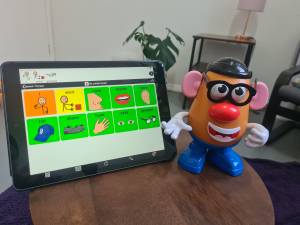
Types of AAC:
- Unaided AAC: These methods rely on the child’s own body to communicate, such as gestures, facial expressions, or sign language.
- Aided AAC: These methods involve external tools or devices, including communication boards, picture exchange systems, and speech-generating devices (SGDs).

The Benefits of AAC:
- Promotes Independence: AAC empowers children to express their thoughts, needs, and feelings, promoting greater independence and reducing frustration.
- Supports Language Development: AAC can be a bridge to verbal communication. It can support children develop their language skills by providing visual and auditory support.
- Enhances Social Interaction: AAC facilitates interaction with peers, family, and educators, fostering meaningful relationships and a sense of belonging.
- Boosts Academic Success: AAC can be integrated into the classroom to help children participate in educational activities, enhancing their learning experience.
- Increases Confidence: Successful communication through AAC can significantly boost a child’s self-esteem and confidence.
How Can Parents Get Involved?
- Collaborate with Speech Therapists: Work closely with your child’s speech therapist to understand their AAC needs and goals. Establish clear communication with the therapist to ensure consistency in implementing AAC strategies.
- Encourage Practice: Encourage your child to practice using their AAC system regularly. Make it a part of daily routines and activities.
- Create Communication-Rich Environments: Design an environment that supports AAC usage, with visual aids, communication boards, and easy access to communication devices.
- Be Patient and Supportive: Your child may face challenges while adapting to AAC. Be patient and provide a nurturing, supportive environment that allows them to explore and experiment with their AAC system.
- Seek Community Support: Connect with other parents of children using AAC systems. Sharing experiences and resources with a supportive community can be immensely helpful.
- Foster Inclusive Communication: Encourage family members, friends, and caregivers to embrace and support your child’s AAC system. This inclusivity can make a significant difference in your child’s communication journey.
Conclusion
Augmentative and Alternative Communication is a powerful tool that can significantly improve the quality of life for children with speech and language difficulties. As parents, your active involvement and support are instrumental in helping your child succeed in their AAC journey. By working closely with speech therapists, creating communication-friendly environments, and fostering inclusivity, you can be a guiding light on your child’s path to effective communication. Embrace the possibilities of AAC, and watch your child thrive and find their voice in a world that is ready to listen.